Keratosis Pilaris: Understanding the "Chicken Skin" Condition
Gay Wardle | Head of Education
Keratosis Pilaris (KP) is one of the most common skin conditions seen in clinical practice, yet it is often misunderstood. Characterised by tiny rough bumps on the skin, KP is completely harmless but can cause significant cosmetic concern and affect self-confidence.

What Does Keratosis Pilaris Look Like?
Keratosis Pilaris typically appears as small, rough, flesh-coloured, white or red bumps that resemble permanent goosebumps or 'chicken skin' The skin often feels dry and sand paper-like to the touch. The condition most commonly affects the upper arms, thighs, buttocks, and cheeks, although it can occur anywhere hair follicles are present.
In fairer skin types, the bumps often appear pink or red, while darker skin tones may develop brown or darker pigmented spots following inflammation. Many people also notice increased redness after heat, exercise or hot showers.

Why Does Keratosis Pilaris Develop?
Keratosis Pilaris develops when keratin, a structural protein that helps protect the
skin, builds up around the opening of the hair follicle. Instead of shedding normally, excess keratin forms a plug that blocks the follicle, trapping tiny hairs beneath the skin's surface and creating the characteristic bumps.
Although the exact cause remains unclear, genetics plays a significant role. KP often runs in families and is commonly associated with conditions involving impaired skin barrier
function, particularly atopic dermatitis (eczema). Individuals with naturally dry skin are also more likely to develop the condition.
Research has shown that mutations affecting the filaggrin protein may contribute to KP.
Filaggrin is essential for maintaining skin hydration and barrier integrity. When filaggrin
function is reduced, the skin becomes drier, leading to abnormal keratinisation and plugging of the follicles.
Hormonal changes during puberty can also worsen KP, explaining why it frequently develops during childhood and adolescence before improving in adulthood.

Common Irritants That Can Make KP Worse
While Keratosis Pilaris cannot be "caught" or spread, several environmental factors can exacerbate its appearance, including:
- Cold, dry weather
- Low humidity
- Long, hot showers
- Harsh soaps and detergents
- Excessive friction from tight clothing
- Over-exfoliation or aggressive scrubbing
- Dehydrated skin
Repeated picking or squeezing of the bumps may also lead to inflammation and post-
inflammatory pigmentation.
Treatment Options
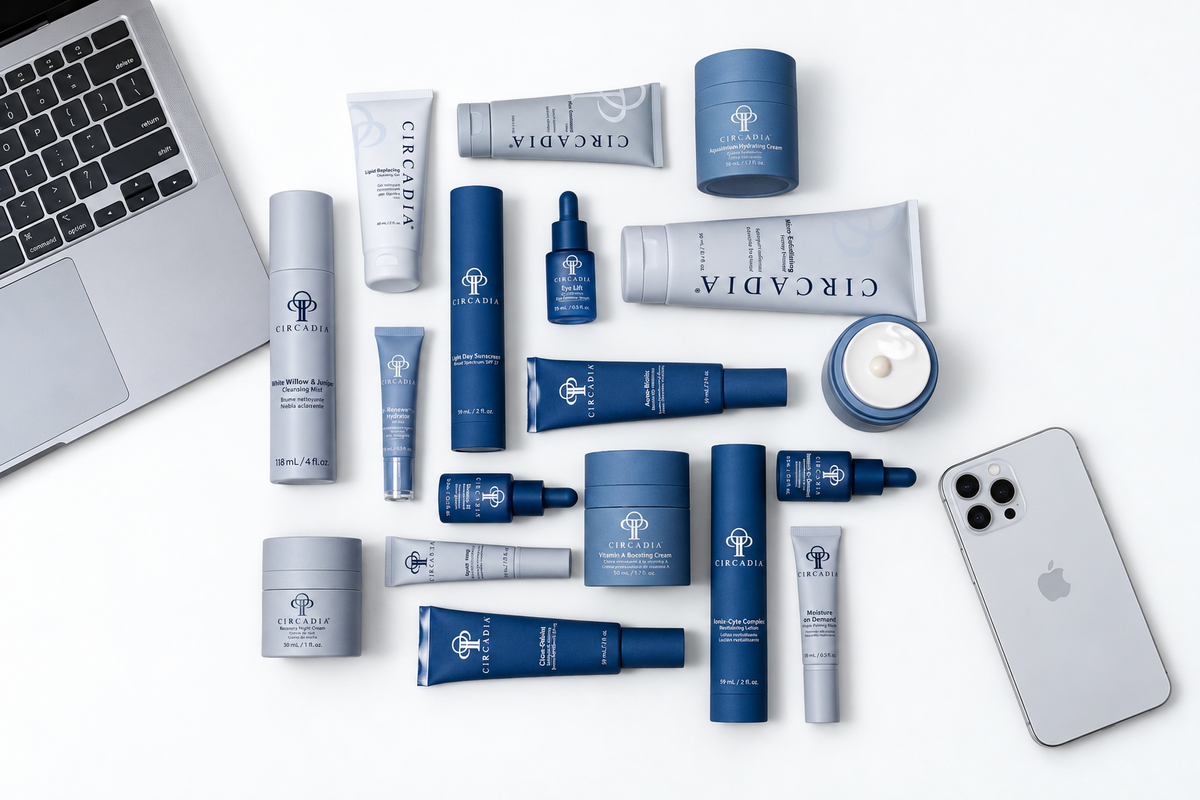
Although there is currently no permanent cure for Keratosis Pilaris, consistent treatment can dramatically improve the appearance and texture of the skin. Circadia has the correct combinations when it comes to controlling Keratosis Pilaris.

The primary treatment goal is to soften keratin plugs while improving the skin barrier.
Effective home care ingredients include:
- Cleansing Gel with Salicylic Acid
- 2 – 3 times a week Blue Bamboo Body Exfoliator
- AM - Daytime Control
- PM – Vitamin A Boosting Cream or Vitamin A Gel
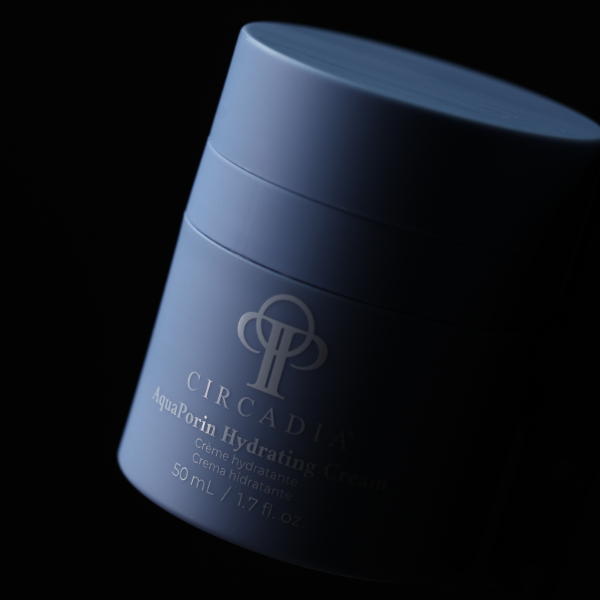
- Face – If the skin is dry AquaPorin
- Body Tidal Moisture Cream to repair the skin barrier
- Night time repair or Night time repair plus (Niacinimide) to reduce inflammation and support barrier function

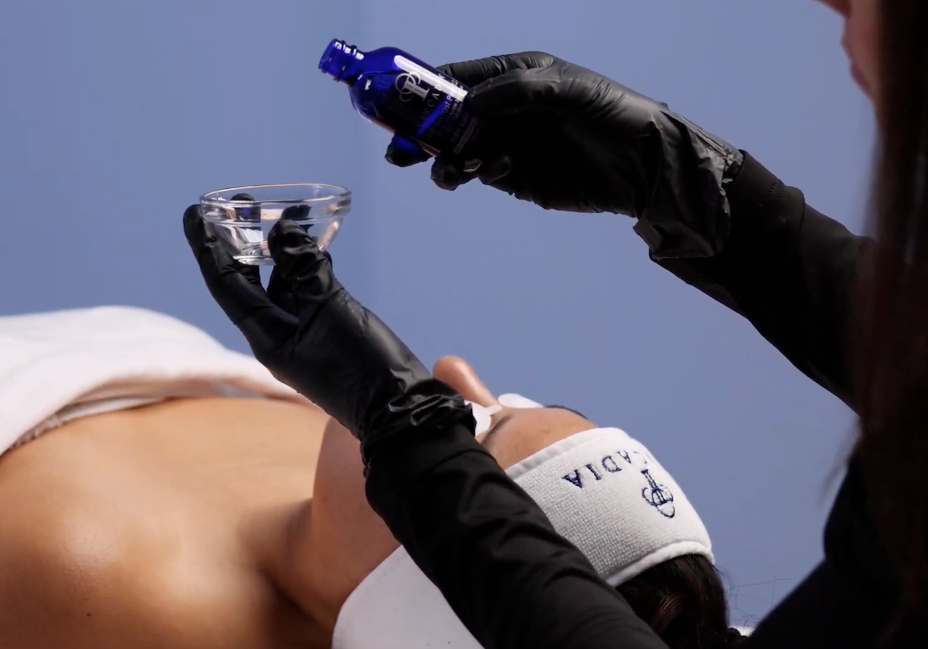
Professional treatments – Alpha/Beta Peel, Pumpkin Perfecting Mask with Bakuchiol,
alternate Raspberry Enzyme and Zymase Enzyme. LED phototherapy may further improve skin texture when combined with an appropriate home-care regimen.
Perhaps the most important aspect of treatment is consistency. Because KP is a genetic
tendency rather than a temporary condition, improvements occur gradually over several
weeks to months with ongoing maintenance.

The Take-Home Message
Keratosis Pilaris is a common, genetically influenced disorder of keratinisation rather than a sign of poor hygiene. By understanding its underlying causes and focusing on gentle exfoliation, skin barrier repair, and long-term maintenance, therapists can help clients significantly improve both the appearance and feel of their skin while setting realistic expectations for ongoing management.